
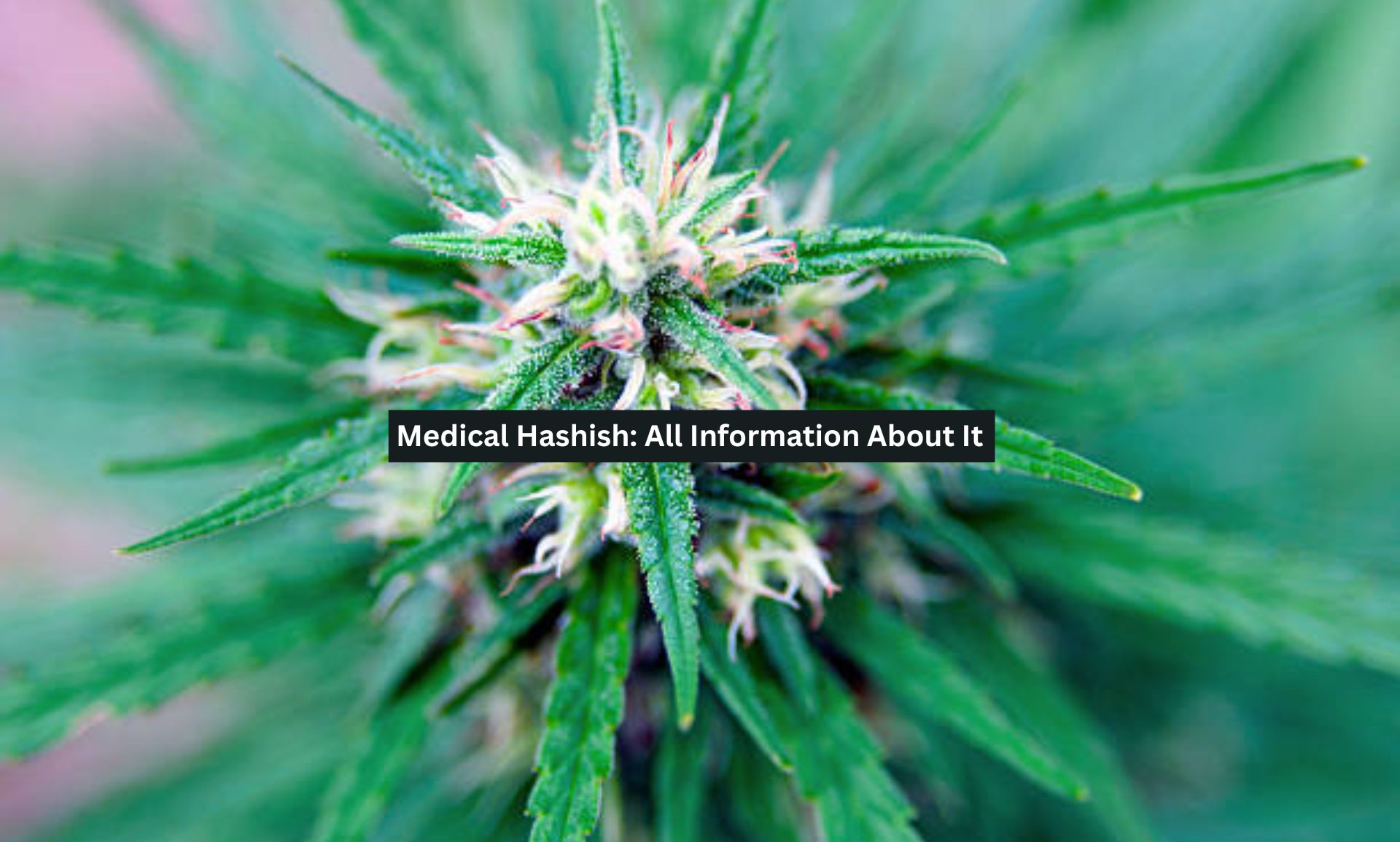
Scientific hashish, herbal drug derived from plants of the genus hashish this is used as part of the treatment for a selected symptom or disease. Although the term hashish refers in particular to the plant genus, it is also used interchangeably with marijuana, which describes the crude drug remoted from the plant life’ leaves and flora.
At the same time as hashish has a protracted history of medical use as an analgesic (pain reliever) and antispasmodic agent, for a great deal of the current era there existed a general lack of information amongst scientists and physicians of its scientific advantages. The discovery of the lively ingredient tetrahydrocannabinol (THC) in the Sixties, in addition to the invention of a system of endogenous cannabinoid receptors and ligands within the late Nineteen Eighties and early Nineties, promoted inquiry into the therapeutic capacity of cannabis and its extracts and derivatives. (Endogenous materials are those produced by using the body; in biology, ligands are substances that bind to receptors.)
This paintings found out that cannabis can offer alleviation from positive forms of conditions, consisting of intense persistent ache, and caused the improvement of various natural clinical cannabis merchandise.
Herbal Hashish Products In Medication
Numerous pharmaceutical pills primarily based on hashish, in purified and standardized shape, had been made available for medical use. However, the usage of herbal cannabis in remedy remains relatively arguable, in element because of the lack of standardization among merchandise to ensure secure and constant dosing and in component because of war of words over legalization. In the united states of america, as an instance, while the cultivation, possession, and consumption of hashish is unlawful, a few states have enacted legal guidelines that legalize using herbal clinical hashish especially.
Examples of merchandise that have been approved by means of the U.S. Meals and Drug administration include cannabidiol (CBD), an energetic aspect in cannabis, and positive artificial hashish-like pills, specifically dronabinol and nabilone. While using natural clinical hashish is permitted in some eu international locations, it is unlawful inside the united kingdom. The latter does, but, allow the prescription of a cannabis-based drug known as nabiximols (Sativex).
Despite the legal problems, researchers and drug agencies persisted to research and expand natural cannabis products. For example, a standardized hashish product called CanniMed become developed for scientific use in Canada under fitness Canada’s clinical Marihuana get admission to policies (MMAR), which were enacted in 2001. The hashish flora cultivated for CanniMed are grown beneath cautiously controlled conditions, and the drug is standardized to include approximately 12.5 percentage THC. A similar technique has been taken inside the Netherlands, wherein several herbal cannabis products are to be had, inclusive of Bedrocan (19 percentage THC) and Bedrobinol (12 percentage THC).
Use Of Clinical Hashish
Outdoor of Canada and the Netherlands, there’s no inherent distinction between herbal cannabis used recreationally and that used medically. For this reason, scientific cannabis can be first-rate understood as using hashish underneath ongoing medical supervision, with an established prognosis of the target symptom-disorder complicated.
Herbal cannabis is used in conjunction with, or in consideration of, other pharmacological and nonpharmacological approaches and with the purpose of attaining prespecified remedy results. Anecdotal reviews and the consequences of randomized clinical trials have counseled that cannabis can be useful within the control of a variety of conditions, consisting of pain, spasticity, nausea, anorexia, and seizures. (In a randomized scientific trial, participants are assigned by danger to distinctive treatment corporations.)
Hashish this is utilized in an unmanaged manner isn’t always considered clinical hashish. The same is genuine for cannabis that is legal by way of a medical doctor who has now not competently evaluated the affected person, who does now not prescribe the cannabis as a part of a much broader care version, or who does not monitor the affected person for subjective and goal effects or unfavorable activities. Research inside the first decade of the 21st century estimated that the superiority of self-pronounced hashish use amongst people with diverse situations ranged from 30 to 50 percentage (HIV/AIDS) to 10 percentage (multiple sclerosis and epilepsy).
Effectiveness Of Clinical Hashish
Clinical cannabis is maximum frequently administered both via smoking or vaporization or inside the form of fit to be eaten arrangements. None of those tactics has been standardized, but, and the effectiveness of safe to eat cannabis preparations has no longer been evaluated in clinical trials.
Smoked hashish has been evaluated in a small variety of randomized controlled trials involving patients tormented by neuropathic ache conditions. In each of the pains, sufferers experienced a reduction in ache depth at THC concentrations of 3.Nine percentage or better. A zero percent THC dose became used because the placebo situation; this formulation became created with hashish from which all cannabinoid materials have been eliminated by using alcohol extraction. Detrimental activities from those studies have been mild to mild and covered drowsiness, dizziness, and dry mouth. No severe or extreme unfavourable occasions were suggested.
Clinical Precautions
A prime safety subject associated with scientific cannabis is the possibility of scientific use encouraging or transitioning into recreational use, which is associated with facet effects that range from acute to chronic. Acute outcomes consist of intoxication, impaired cognition and motor characteristic, elevated coronary heart price, anxiety, and psychosis in predisposed people. Continual effects encompass bronchitis (from smoked hashish), mental hashish dependency, lack of motivation, and cognitive deficits. By way of and big those consequences appear to vanish on abstinence.
Medical hashish may be riskier and perhaps contraindicated if a patient has a private or circle of relatives history of psychosis, volatile cardiac ailment, and lung sickness. Medical hashish customers are recommended by means of physicians now not to use tobacco, both by myself or mixed with cannabis. They are also recommended not to power or function machinery even as starting up or changing doses and if impaired with the aid of the drug. Apart from feasible synergistic effects of cannabis with other psychotropic medicines, such as sedatives and hypnotics, there are no recognized main drug-drug interactions.
The primary motive of scientific cannabis use is symptom relief and progressed function and normal pleasant of life. Reductions in doses (if now not whole cessation) of other medications should be strongly considered. Clinical proof of such effects is lacking, but, and it remains the responsibility of the treating physician and the patient to work towards the fulfillment of jointly agreed-upon dreams.
