
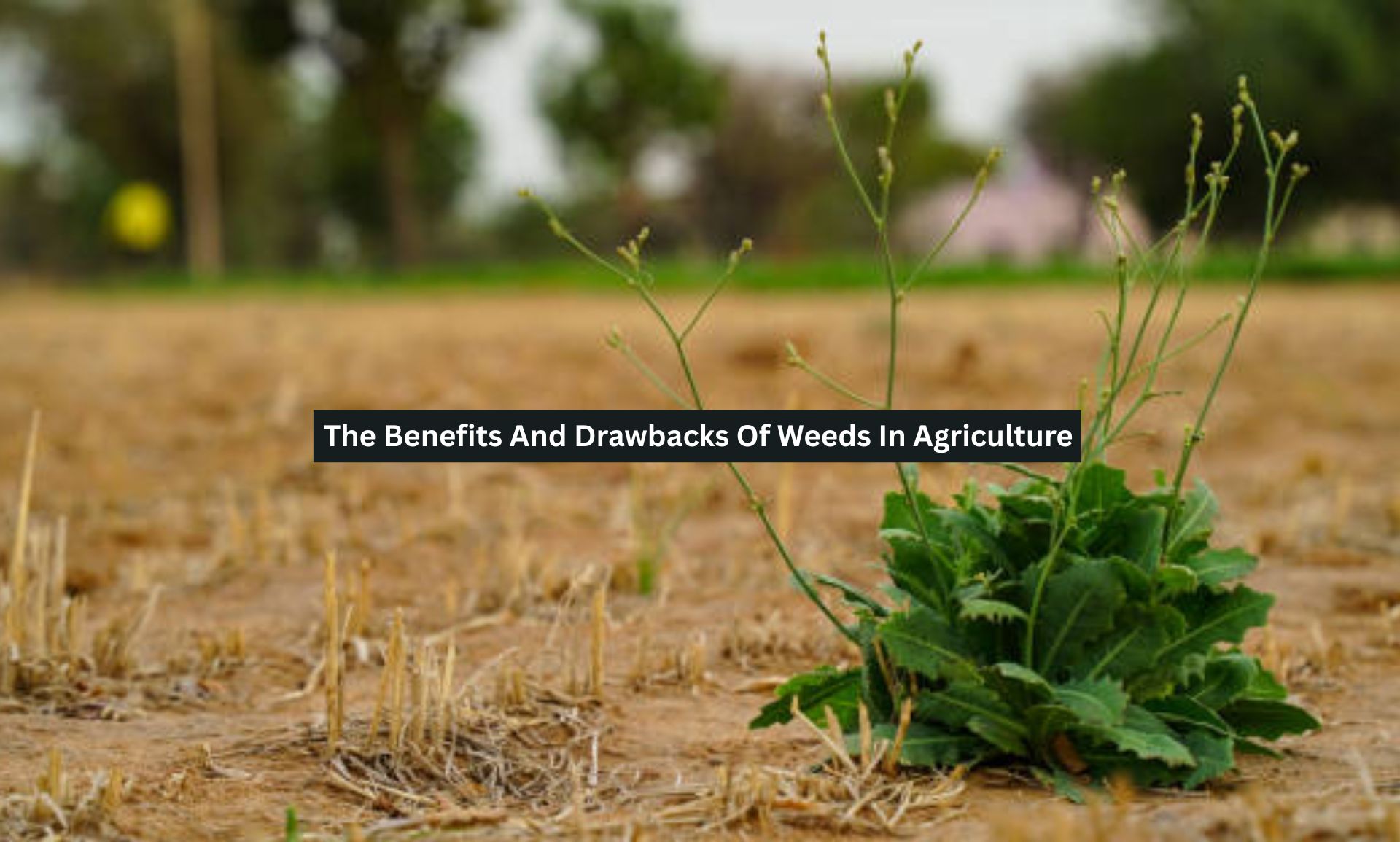
Weeds are unwanted plants that grow in agricultural fields, competing with crops for essential resources such as light, water, nutrients, and space. They can significantly reduce crop yields, affect the quality of produce, and increase production costs due to the need for additional labor and herbicides. Pests and diseases that can further harm crops can also live in weeds. In agriculture, weeds are frequently considered undesirable because they compete with crops for resources, but they also have some advantages. Farmers can effectively manage weeds by understanding both their benefits and drawbacks, as well as the potential roles they can play. We will go over the advantages and disadvantages of weeds in agriculture in detail in this article.
Weeds’ Benefits In Agriculture
1. Protection Of The Soil
In particular on bare or disturbed land, weeds can prevent soil erosion by acting as a barrier. Because their roots hold the soil together, wind and water erosion is less likely. This is particularly important in off-seasons when fields may otherwise be left bare.
2. Fertility Of The Soil
Certain weeds contribute to soil fertility by adding organic matter when they die and decompose. Legumes like clover, for instance, have the ability to store nitrogen from the atmosphere in the soil, making it more accessible to future crops. Chemical fertilizers may be required less frequently with this natural fertilization.
3. Habitat And Diversity Of Life
By providing habitats and food sources for a variety of organisms, including beneficial insects, birds, and other wildlife, weeds increase biodiversity. By providing food for the ecosystem’s natural predators, biodiversity can improve the ecosystem’s resilience and aid in pest control.
4. Plants That Indicate
Weeds can be used as indicator plants, giving information about the pH, nutrient levels, and moisture of the soil. Weeds, for instance, can be a sign of acidic soil, compacted soil, or poor drainage. This information can help farmers make better decisions about how to manage their soil.
5. Economic And Medical Uses
Some weeds are useful in medicine or have economic value. Plants like dandelions, nettles, and purslane have been used in traditional medicine and as edible greens. Additionally, some weeds are harvested and sold in specialized markets, supplying farmers with an additional source of income.
Disadvantages Of Weeds In Agriculture
1. Concurrence For Resources
Weeds compete with crops for essential resources such as water, nutrients, light, and space. As a result of this competition, crops may not receive the resources they require for optimal growth, which can result in lower crop yields and lower quality produce.
2. Harboring Pests And Diseases
Weeds can act as hosts for pests and diseases that can spread to crops. They may provide insects, fungi, or bacteria with a safe haven, raising the likelihood of infections and infestations that can harm crops and necessitate an increased use of pesticides.
3. Costs And Labor Increases
Weed management frequently necessitates significant financial and labor commitments. Weed control measures like cover crops, mechanical weeding, and herbicides may necessitate time and money from farmers. The cost of these measures can add to the overall expense of farming.
4. Reduced Crop Quality
By contaminating harvested crops, weeds can lower their quality. For example, weed seeds or plant parts may mix with crop seeds during harvest, leading to lower market value or additional cleaning costs. Crops’ marketability can be decreased as a result of weeds’ ability to alter their appearance and flavor.
5. Antibiotic Resistance
Herbicide-resistant weed species have emerged as a result of the widespread application of chemical herbicides to eradicate weeds. Farmers face even more difficulties as a result of these resistant weeds’ increased resistance and potential for expansion. This resistance often necessitates the use of stronger chemicals or alternative control methods, which may have environmental and health implications.
6. Soil Depletion And Nutrient Imbalance
Some aggressive weeds have the ability to deplete the nutrients in the soil, resulting in imbalances that affect crop growth. Some deep-rooted weeds, for instance, may extract nutrients from lower soil layers, reducing the amount of nutrients available to crops. This can lead to the need for additional fertilization, increasing costs, and potentially harming the environment.
7. Environmental Impact
The application of herbicides to eradicate weeds can have a negative impact on the surrounding environment, including the contamination of water, soil, and non-target species. Chemical control methods can harm beneficial organisms, decrease biodiversity, and contribute to pollution when used too much.
Conclusion
The problem of weeds in agriculture is complicated. While they are often viewed as harmful due to their competition with crops and the costs associated with controlling them, weeds also offer some ecological benefits, such as soil protection, fertility enhancement, and biodiversity support. When it comes to managing weeds, a well-balanced strategy that takes advantage of their advantages while minimizing their drawbacks is essential. Farmers can mitigate the negative effects of weeds while achieving sustainable agricultural practices with integrated weed management strategies that combine cultural, mechanical, biological, and chemical controls.
